

Ashbourne Half Marathon: Event Overview and Community Impact
Set in the heart of Derbyshire, the Ashbourne Half Marathon is more than a race; it is a celebration of community spirit and shared athletic ambition. Each year, local runners, volunteers, and supporters come together to create a welcoming environment for half marathon enthusiasts, from first-timers to seasoned competitors. The event blends a scenic route with a family-friendly atmosphere, making it accessible to local participants and visitors alike. Beyond the finish line, the race supports charity fundraising and outdoor activity that encourages wellness and fitness as a community value. Organisers emphasize safety, inclusivity, and a positive race-day experience, inviting people to train for a half marathon while building lasting connections across Ashbourne and its surroundings.
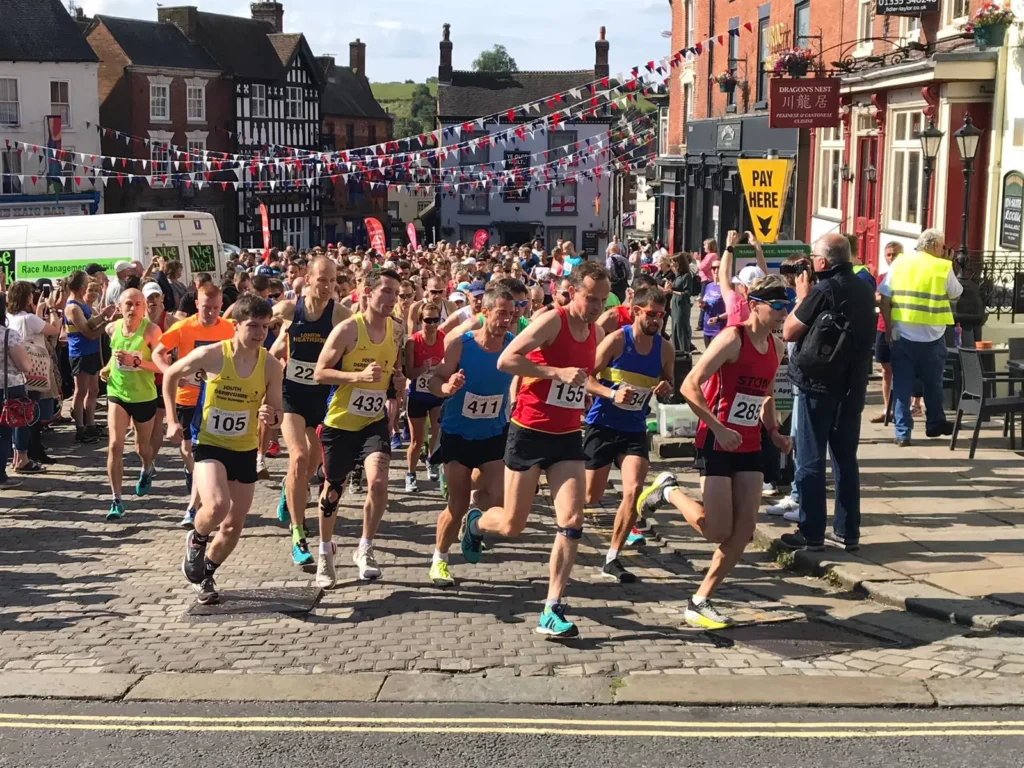
History and origins of the Ashbourne Half Marathon
The Ashbourne Half Marathon has its origins in a grassroots movement among local running clubs and community groups in the early 2010s. What started as a modest charity challenge—fueled by a shared passion for running and a desire to support local services—developed into an annual event that truly reflects the town’s character. In its first year, several hundred runners joined a handful of volunteers, with an emphasis on camaraderie and inclusion alongside competitive race times. Over time, collaborations with the council, schools, and local businesses helped expand the event’s scope, leading to improved routes, increased support, and greater fundraising efforts. The half marathon distance, combined with a festival-like atmosphere around Market Square, has firmly established the race in Ashbourne’s calendar and community identity. For more insights into local events and activities, visit https://goldzinopl.pl/.
Runners have appreciated the way the route threads through historic streets and green lanes, allowing participants to experience the town’s heritage while testing endurance. Organizers consciously shaped the course to balance accessibility with challenge: the flatter downtown segments invite fast times, while selected climbs in the countryside reward steady pacing and resilience. The event’s ethos centers on community ownership—locals volunteer in the lead-up and on race day, charities receive meaningful funds, and spectators create a supportive chorus that carries runners through to the finish. Since its early days, the Ashbourne Half Marathon has evolved into a symbol of local pride, a platform for wellness, and a catalyst for positive change across the wider Derbyshire area.
Today the event attracts participants from across the region and beyond, with a growing crowd of volunteers, marshals, navigators, and medical staff who ensure safety and encouragement at every corner. The organizers continue to refine the long-term plan, investing in water stations, course signage, and youth outreach programs that engage schools and clubs throughout the year. The history of the race thus reflects not only a love for running but also a commitment to community development, charitable fundraising, and promoting active lifestyles for families and individuals alike.
Community impact and local engagement
The community impact of the Ashbourne Half Marathon extends far beyond race day. The event has become a catalyst for wellness, education, and charity across Ashbourne and neighboring towns, creating opportunities for people to engage with running in meaningful ways. Local organizations collaborate year-round to deliver programs that help participants prepare for the half marathon and stay active afterward.
- Local Charity Partnerships: The race channels contributions to regional health, youth services, and community grants, ensuring proceeds make a visible difference in the places where participants train and live.
- School and Youth Programs: Collaborations with primary and secondary schools promote after-school running clubs, inter-school challenges, and motivation for lifelong healthy habits among local pupils.
- Volunteer Development and Training: Hundreds of volunteers gain event management experience, from marshal duties to first aid, improving careers while strengthening community resilience and social capital.
- Local Business Engagement: Shops, cafés, and sponsors support the event with discounts, prizes, and services, reinforcing the town economy and showcasing Ashbourne as a place to live and run.
- Health and Wellness Campaigns: Pre- and post-race health checks, fitness workshops, and hydration education align with broader wellness goals and encourage safe, sustainable training.
Together, these initiatives create a ripple effect that extends well beyond race day, embedding sport and wellbeing into everyday community life.
Course and terrain description
The course and terrain description follows a balanced mix of urban and rural sections that showcase Ashbourne’s landscapes while challenging runners with periodic gradient changes. The route begins in Market Square and progresses through historic streets before entering a network of quiet lanes and rural roads. Surface quality shifts from smooth asphalt in the town to compact pavement and occasional gravel on the outskirts, demanding attention to footing and pacing. The route includes a few steady climbs that test strength without losing the crowd-pleasing flow, and it rewards runners with fast straights in the final miles as the finish line comes into view.
| Segment | Distance (km) | Surface | Elevation gain (m) |
|---|---|---|---|
| Town Centre to Derby Road Junction | 0-5 | Tarmac | 25 |
| Rural lanes and climbs | 5-10 | Asphalt and country lanes | 60 |
| Riverbank section and village outskirts | 10-15 | Paved and occasional gravel | 15 |
| Finish approach and Market Square | 15-21.1 | Paved streets | 20 |
Runners should stay alert for a mix of open sections and tight corners, especially in wet conditions where footing matters as much as speed. The profile rewards steady pacing and smart braking into the finish, with a final push through the Market Square crowd.
Key course segments and landmarks
The race starts in the bustling Market Square, where the town arch marks the official start line and the first kilometer heads toward historic streets. A short descent leads runners toward the river and past the old market front, with landmarks such as the cobbled lanes, the line of friendly shopfronts, and the church spire giving runners a sense of place. The middle miles move along hedged rural lanes where regular mile markers help pacing, and volunteers signal safe crossings at key junctions. The final stretch brings the finish back into Market Square, where crowds cheer from the pavement and the town hall becomes a visible finish backdrop.
Elevation profile and technical sections
The elevation profile includes a series of gentle rollers early on, followed by a more pronounced incline around the 11–13 km mark that tests form and breathing. Technical sections appear on narrow lanes with camber and variable wind exposure, requiring careful foot placement and steady cadence. The last 2–3 km feature a smoother descent and a wide final avenue into the Market Square, where runners are encouraged to maintain form under the open-air applause of spectators.
Spectator experience and volunteer roles
The Ashbourne Half Marathon offers a vibrant spectator experience with multiple vantage points and a strong volunteer network that supports every aspect of race day. From the moment participants arrive, volunteers help with registration, bag drop, and information desks, creating a calm, welcoming atmosphere. Spectators can enjoy dedicated cheering zones along the course, where bands, local clubs, and families add energy at key points and near landmarks. The finish area becomes a celebration hub with music, post-race refreshments, and prize ceremonies that recognize volunteers and runners alike. For those planning to participate, the day is also a chance to observe pacing, nutrition timing, and recovery approaches used by runners of all abilities.
- Marshalling and safety volunteers manage intersections and course visibility, ensuring runners’ safety and smooth navigation through the streets.
- Water, electrolyte, and gel stations are staffed to provide timely refreshments and encouragement for steady pacing and hydration.
- Medical and first aid volunteers stand by at strategic points to coordinate rapid care if needed and connect with local clinics.
- Cheering zones near Market Square, the river crossing, and the finish line amplify motivation with banners and live performances.
- Volunteer photographers and social media coordinators capture moments along the route to share participants’ achievements with families and the community.
- Registration desk, bag drop, and post-race hospitality teams help participants feel welcomed, with clear information and a celebratory receive-and-go experience.
Volunteers play a central role in shaping a safe, enjoyable, and memorable race experience, reinforcing the town’s reputation as a warm and active community.
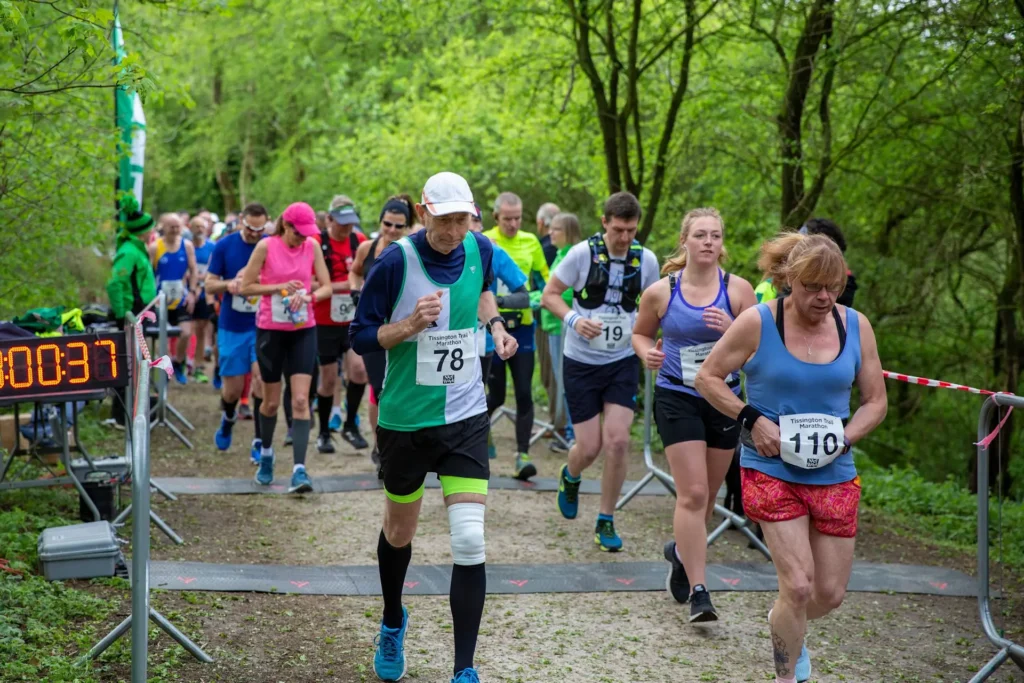
Key Features, Benefits, and Competitive Advantages
Set along the charming lanes of Ashbourne, the Ashbourne Half Marathon is a community-driven running event that blends competitive racing with local camaraderie.
Participants of all ages and abilities benefit from a well-supported course, fast packet pickup, and a race-day atmosphere that prioritizes safety, community involvement, and charity fundraising.
The event emphasizes wellness and fitness through structured training guidance, local club participation, and opportunities for families to engage in outdoor activity together.
By highlighting strong local participation and a family-friendly environment, the race offers a competitive yet inclusive platform for runners pursuing personal records, charity goals, or simply an energizing day out on the roads.
Unique selling points of the event
From its inception, the Ashbourne Half Marathon has positioned itself as more than a race; it is a celebration of community endurance, local pride, and healthy living. The course winds through picturesque Derbyshire countryside and historic town streets, offering a scenic backdrop that resonates with runners who value both speed and scenery. Organizers place a premium on accessibility: supportive pacing groups, clear signage, ample water stations, and medical support along the route; this reduces stress for first-time half marathoners and seasoned competitors alike. The event’s emphasis on charitable fundraising invites runners to support local causes and share stories that connect participants to the broader community. The partnership with local clubs fosters youth involvement and volunteer opportunities, turning a weekend event into a long-term wellness initiative. The logistics are designed to minimize barriers: early bird pricing, generous entry limits, and straightforward registration; the result is a welcoming environment that honors the seriousness of endurance training. The race also stands out for its family-friendly elements, offering activities for younger participants, spectator zones, and photo opportunities that capture the day. For those training for a half marathon, the event doubles as a reliable milestone in a training plan, with predictable weather windows, coach-led clinics in the weeks prior, and post-race recovery spaces that help athletes replenish quickly. Finally, community feedback informs continuous improvements: feedback channels, post-race surveys, and ongoing tweaks to the course and amenities keep the event aligned with runners’ needs and charity goals.
Benefits for runners (training, exposure, community)
From the perspective of runners and clubs, the Ashbourne Half Marathon offers tangible benefits that extend well beyond a single finish time because the event is designed to support progressive training, raise exposure for local programs, and strengthen the bonds within the running community, making it a reliable cornerstone in many club calendars.
Participants gain access to structured pacing groups, coaching tips, and a safety-conscious course that values form, nutrition, recovery, and consistent practice, turning a race into a reliable milestone within a broader wellness and performance-focused routine that clubs use to sustain motivation across seasons.
- Training-friendly route and pacing support across multiple pace groups with enthusiastic marshals, allowing runners to maintain targets while enjoying the scenery.
- Dedicated charity fundraising framework, enabling participants to link training milestones to meaningful local causes and share impact stories with supporters.
- Extensive pre-race resources, including clinics, training plans, and recovery guidance, help new runners build confidence while seasoned athletes optimize endurance and race strategy.
- Family-friendly zones and spectator areas create a welcoming festival atmosphere, inviting families to participate together and supporting a culture of active living in the local community.
Participation also extends into ongoing coaching networks, group runs, and volunteer opportunities that help athletes stay accountable, connect with sponsors, and share progress with family and peers—fostering a supportive ecosystem that motivates continued improvement. Clubs benefit from greater visibility, increased member retention, and opportunities to showcase training programs and charity partnerships, which in turn attract new supporters, foster community pride, and strengthen the region’s reputation as a hub for wellness and inclusive sport.
How the race compares to nearby half marathons
Ashbourne’s distance and terrain balance rolling rural lanes with short urban sections, appealing to runners seeking a course that challenges the legs while remaining accessible for beginners, and it integrates smoothly with training plans that many local clubs use for half-marathon blocks. Compared with nearby events, Ashbourne tends to combine lower entry barriers, a strong charity fundraising ethos, and a family-friendly schedule that keeps spectators engaged, ensuring that cost does not dominate the experience and that athletes feel supported by a community network from registration through post-race recovery.
| Aspect | Ashbourne Half Marathon | Nearby Half Marathons |
|---|---|---|
| Course distance | 13.1 miles (21.1 km) with rolling rural lanes and a mix of town sections | 13.1 miles (21.1 km) with varied terrain and surface types |
| Entry fee & inclusions | £28–£40 depending on early registration; medal and timing included | £25–£45; medals common, occasionally tech tee |
| Race day perks | Water stations, medical support, pacers, and a clear post-race recovery space | Water stations, entertainment, occasional pacers, varied recovery options |
| Community focus | Strong charity fundraising and local club involvement; active volunteer network | Varies by event; some emphasize charity and clubs, others focus on spectacle |
Ultimately, the race’s combination of scenery, community involvement, and well-structured logistics helps it stand out while offering clear value to local participants and visiting runners alike.
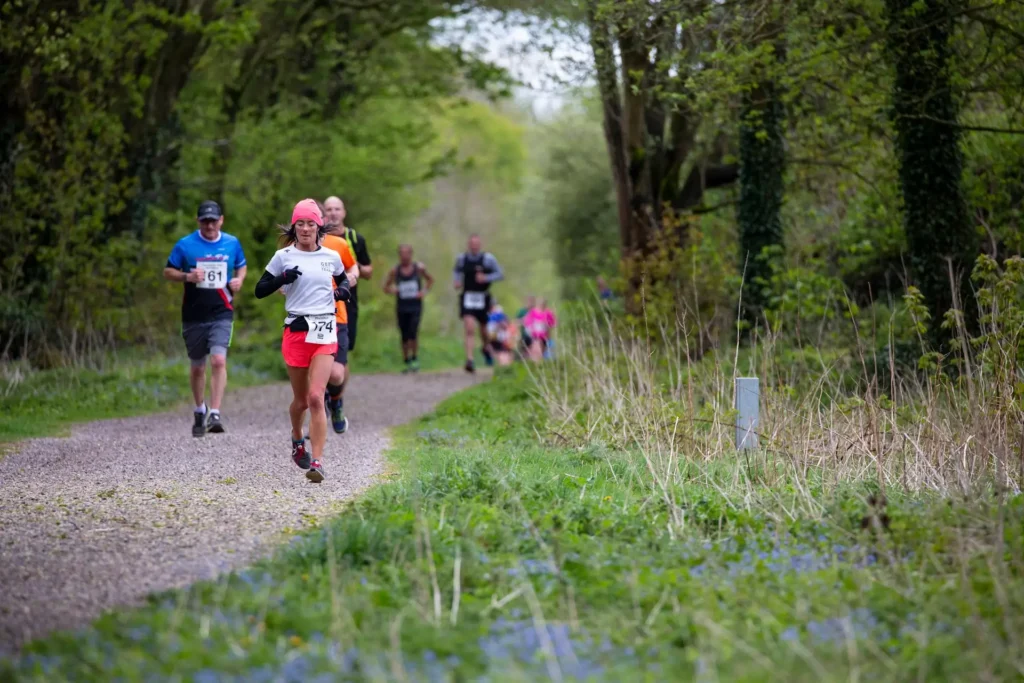
Participation Options, Eligibility, and Race Day Experience
The Ashbourne Half Marathon offers a range of participation options to suit runners of all backgrounds, from first-time half marathoners to seasoned endurance athletes. As a community race and running event, it welcomes local participants and visitors alike, with entry paths designed for individuals, relay teams, charity fundraisers, and family groups. Whether you are chasing a personal-best, aiming to complete 13.1 miles, or supporting a local cause, this event blends competitive energy with wellness and fitness promotion. The race day experience emphasizes inclusivity, accessibility, and safety, featuring clearly marked routes, medical support on course, and a festive finish area that celebrates community involvement in running. By planning ahead with registration timelines, eligibility checks, and day of logistics, participants can focus on training and enjoying outdoor activity alongside neighbors, volunteers, and supporters.
Registration categories and entry options
Registration for the Ashbourne Half Marathon is designed to be straightforward and flexible, with several entry options to suit different runners and goals. Individuals can sign up for a standard solo entry that includes a bright timing bib, a commemorative medal, and access to the post race services, while teams and clubs can form relay squads or friendly groups to share training and camaraderie, with clear guidelines on handoffs and recording split times. Charity entries invite participants to commit to a fundraising target, supported by the event team with practical resources, donation portals, sponsor matching where available, and social media templates to help participants tell their story. Early bird pricing is typically available for a limited period, followed by standard and late entry windows, encouraging planning and commitment and helping the organizers manage the field size. Registering online requires basic personal details, date of birth, emergency contact information, and consent for medical support if needed; participants also select their preferred category and any accessibility needs, such as wheelchair access or additional time allowances for pacing. Those entering as individuals should choose optional extras like a pacer signal, a training plan download, or entry into a local club raffle, while relay teams must designate leg lengths and designate a lead runner for communications. Once registration is complete, runners receive a confirmation email, a unique timing bib number, and pre-race guidance about training milestones, kit lists, travel arrangements, and spectator tips. The event website outlines a transparent transfer and refund policy to accommodate changes due to illness, injury, or personal circumstances, with set deadlines and reasonable administrative fees. Bib collection typically takes place at the event village during a pre-race collection window, where entrants present proof of identity, collect race numbers, safety pins, and a bag tag, and can seek help from information desks to find bag drop locations, portable toilets, and medical tents. For participants who need extra support, there are options to join a local running club’s warm up session, request speech friendly marshals, or add gentle pre-race mobility checks. By offering these varied options, the Ashbourne Half Marathon remains a welcoming platform for local participants and charity supporters while maintaining high safety, accessibility, and compliance standards that reflect the event’s community focused ethos. In addition, organizers publish clear guidance on privacy and data handling, provide group discounts for clubs and charity teams, and offer pre season clinics and training tips to help newcomers prepare confidently. Travel and accommodation suggestions, parking guidance, and a dedicated help desk during registration further support a smooth entry experience for all visitors.
Eligibility, age groups, and qualifying standards
Eligibility for the Ashbourne Half Marathon is designed to be clear and inclusive while maintaining safety and fairness for all participants. The minimum age is set to allow responsible participation on the open roads, typically requiring entrants to be at least 16 years old on race day with parental or guardian consent for those under 18; older entrants may compete in age group categories that run alongside the main field. There is no traditional qualifying time required for general entry, so runners of varying abilities can join based on space and registration availability, rather than meeting a fixed standard. The event operates a field cap to ensure manageable congestion, course safety, and timely medical support, with priority given to those who register early and those who join charity or club groups. If the field reaches capacity, a waitlist may be opened and priority given to participants who have completed transfers from cancelled entries or who switch from other categories within policy guidelines. Entrants may be asked to provide evidence of identity and age at bib collection, and in some cases a brief health declaration may be requested to confirm that they are fit to participate in a half marathon. People with disabilities or mobility aids should contact the organizers in advance to discuss appropriate assistance, accessible portaloos, and potential wave start arrangements to minimize barriers. All participants are expected to abide by channeling rules, obey marshals, and stay in designated areas for safety; medical support is available along the route in case of injury or dehydration, and there are clear policies on hydration, energy supplies, and spectator access. The event also reserves the right to disqualify or remove participants who exhibit unsafe behavior or do not comply with course rules, but the focus is on inclusion and fair play. By outlining these eligibility criteria and age groups, Ashbourne Half Marathon can accommodate local runners, charity supporters, families, and international entrants who are respectful of the community running environment and the shared goals of health, endurance, and wellbeing.
Race day logistics (start times, wave starts, facilities)
Start times typically begin in the morning with staggered wave starts to reduce congestion and provide a smoother experience for runners signing up as individuals or as part of a relay team. Wave starts are usually allocated by anticipated finish times or age group, with clear signage and marshals guiding runners to the correct assembly area. The event village opens hours before the start to allow kit drop, bib collection, and warm up with the support of volunteers. Facilities include clearly marked toilets at the start zone and along the course, water and electrolyte stations roughly every three miles, and friendly volunteers offering directions and marshals ensuring safety at road junctions. The route is fully signposted with km markers and digital displays showing pace and distance, and the on-course medical tents are positioned at known risk points. Bag drop is available with secure bag tags, and there are dedicated first-aid points and footcare or sports massaging volunteers after the finish. Spectators can access designated viewing areas along the route, while supporters are advised to plan parking or use public transport to avoid congestion. There are safety reminders about road closures, weather contingencies, and precautions for runners with sun exposure or cold winds. Race day communications are available via the official app and website, with live updates, emergency contact numbers, and a dedicated help desk on site. Finally, the course closes within a specified window to ensure finish-line operations and post-race cleanup proceed smoothly, and participants are encouraged to keep moving after finishing to avoid cooling down too rapidly. The overall experience aims to be efficient, supportive, and accessible, with an emphasis on safety for all runners, volunteers, and spectators.
Post-race amenities and results
After crossing the line, finishers enter a dedicated recovery zone offering water, isotonic drinks, fruit, and light snacks, along with shaded seating and medical staff for anyone needing assistance. Medal presentations and optional finishers photographs take place in a clearly marked area, with dedicated volunteers helping finishers collect their belongings from bag drop and guiding them toward post-race services. A medical tent remains available for checkups or treatment, and massage chairs or stretching zones are sometimes offered to aid recovery. Official results are published on the event website and on the results board at the finish area, and athletes can access their timing data through the online portal within 24-48 hours after the race, with age group results posted as soon as processing is complete. Photographers and videographers capture moments across the course, and participants can purchase images or copies of their race time for personal records or social sharing. The organizers also provide refreshments, energy gels, and shade for spectators near the finish line to help maintain enthusiasm while waiting for loved ones. For participants who have fundraising commitments, charity teams provide updates on donations received and recognition for top fundraisers, and all finishers receive acknowledgments in the event’s post-race communications. Pick-up points for bags are clearly signposted, and staff are available to help with lost items or misplaced bibs. Participants are encouraged to stay within the designated finish-area until the area is cleared, and those requiring transport back to town can use organized shuttle services or public transport from the event hub. In all cases, Ashbourne Half Marathon aims to deliver a memorable and supportive finish experience that celebrates personal achievement, community involvement, and the generosity of the runners who supported local causes.
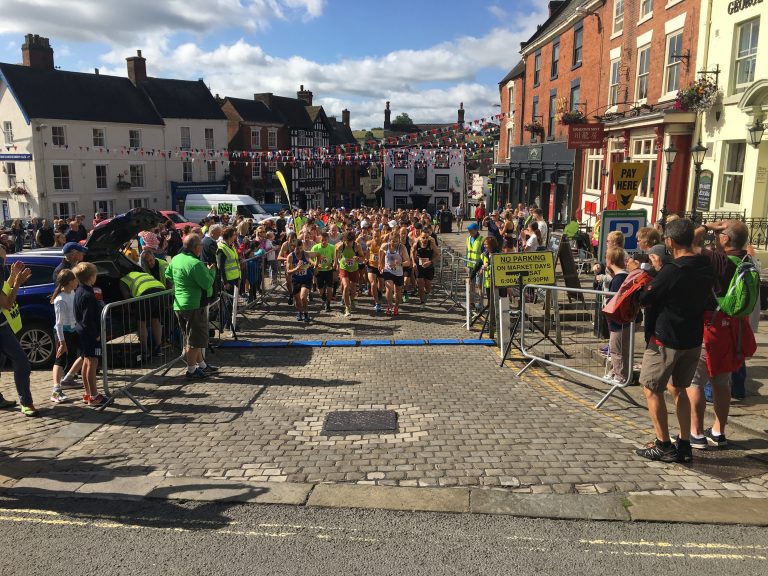
Pricing, Registration Offers, and Value-Added Perks
Pricing for the Ashbourne Half Marathon is designed to balance accessibility with sustainability, ensuring the event operates at high standards while remaining welcoming to local participants, charity fundraisers, and visitors who are new to long-distance running. The pricing structure includes clearly defined tiers that reward early planning and consistent participation, allowing runners to choose a level that aligns with their goals, training timelines, and budget. By combining affordable options with value-added inclusions, the event supports wellness and fitness initiatives in the community and encourages families and local participants to get involved. This section explains pricing tiers, available discounts, and the extras that enhance the race experience from start to finish. Our aim is to make the Ashbourne Half Marathon a welcoming, well-organized outdoor activity that aligns with charitable fundraising and a family-friendly event culture.
Pricing tiers and what’s included
Pricing for the Ashbourne Half Marathon is designed to balance accessibility with sustainability, ensuring the event operates at high standards while remaining welcoming to local participants, charity fundraisers, and visitors who are new to long-distance running. The pricing structure includes clearly defined tiers that reward early planning and consistent participation, allowing runners to choose a level that aligns with their goals, training timelines, and budget. Early bird registration is offered for a limited window and provides the strongest value, typically reflecting a discount of several pounds compared with standard entry, with the incentive to secure a preferred start group for pacing and race-day planning. By rewarding those who register early, we reduce last-minute administration and improve overall event logistics, which in turn translates into smoother packet pickup, more accurate chip timing, and better crowd management on race day. The standard entry price follows the early bird period and remains competitive within the local running calendar, covering essential race-day infrastructure such as the accurate timing system, numbered bibs, clearly marked start lines, medical support, and the presence of trained marshals along the route. All entrants receive the core inclusions that make the race day experience reliable and enjoyable: a race bib with a monitored timing chip, a finisher medal, and a commemorative event tee designed for durability and comfort in the months following the race. In addition, the Ashbourne Half Marathon provides access to the event village, with rest areas, bag drop facilities, and post-race recovery zones that emphasize wellness and fitness, reflecting the community-focused nature of the event. Charity places are an important pillar of the event, offering a mechanism for participants to fundraise for worthy local causes while still enjoying the same baseline inclusions as non-charity entries; fundraising guidelines are provided at signup, and there is ongoing support from our team through online resources, social media prompts, and donor recognition at training runs and on the race day stage. For those who want to support local nonprofits while also cultivating team spirit, collaborative group registrations offer discounts for clubs, schools, and corporate teams; these group rates encourage training together, pacing each other, and celebrating collective achievements on race day, with a simple registration flow that consolidates payments and keeps communication aligned with the group captain. Finally, every registration includes practical extras that reinforce the overall experience and promote a sense of community: access to the race-day app or results feed for real-time timing updates, reminders about the event schedule, and opportunities to engage with charity partners before, during, and after the race.
Discounts, charity places, and group registrations
Discounts, charity places, and group registrations are designed to provide flexible options for different budgets and motivations while maintaining fairness and transparency across the field. Early bird discounts are commonly offered during a defined window and can amount to a meaningful reduction in the base entry fee, encouraging runners to commit ahead of time and helping volunteers finalize staffing and route planning. Student or unwaged discounts are available on presentation of valid ID, aimed at making the event accessible to younger athletes, recent graduates, and community members exploring new fitness goals without sacrificing the quality of the race-day experience. Charity places are a key feature, letting participants fundraise for local causes while still enjoying the same inclusions as standard entrants; charity runners typically set up online fundraising pages, receive guidance from the organizing team, and can access fundraising banners and suggested outreach plans to maximize support. In exchange for the opportunity to fundraise, many entrants appreciate extra recognition or small incentives for reaching fundraising milestones, which can include public acknowledgment, social media features, or invitations to exclusive training events. Group registrations offer further value, with discounts applied when multiple entries are purchased under a single registration, supporting clubs, schools, and corporate teams that train together and share pacing strategies; the group process is designed to be straightforward, with one point of contact, consolidated payment, clear start-group assignments, and easy management of volunteer duties during race week. To ensure a smooth process, the registration platform clearly states eligibility, deadlines, and any restrictions on transfers or refunds; it also provides a comparison of each option so participants can choose the best fit for their personal goals, whether they are chasing a personal best or simply aiming to finish with a sense of accomplishment. In all cases, discounts and charity places do not alter the fundamental inclusions of the entry, such as the timing chip, the bib, the finisher medal, and access to hydration and medical support along the course. Participants are encouraged to check the official site for the latest updates on eligibility and deadlines, and to reach out to the support team early to avoid last-minute questions that can disrupt training plans and half marathon training schedules.
Value-added perks (swag, timing chips, photos, finisher medals)
Value-added perks provide additional motivation, convenience, and lasting memories beyond the core race-day inclusions. All entrants typically receive a well-designed swag package that may include a technical T-shirt, a race cap or headband, a reusable bag, and sponsor offers; the exact contents vary by year but are chosen to support an active lifestyle and to promote family-friendly participation in wellness routines. Timing chips are integrated into the bibs for accurate, on-the-day results and post-race analysis, with live result feeds available at the finish area and online shortly after crossing the line; runners can download their official finish times and position reports for personal reference, training reviews, and sharing with friends and family. Professional race photography is included via an optional photo package or a free gallery, allowing participants to relive the moment and capture the sense of achievement that comes with completing a half marathon; many athletes use these images to celebrate health benefits of running and to inspire others to join local wellness and fitness initiatives. Finisher medals are awarded to all finishers, with design variations that reflect the local Ashbourne area and the charitable mission, creating a keepsake that reminds runners of their training journey and the endurance accomplishments achieved through half marathon training. The event also emphasizes post-race support, including water, fruit, energy drinks, and a recovery zone where participants can stretch, rehydrate, and reflect on the race-day experience with peers and volunteers who share a passion for community involvement in running. Family-friendly elements are highlighted in many of the perks, such as kid-friendly activation zones near the finish line, opportunities for parents to involve children in the excitement, and reusable memorabilia that can be shared with the broader family network, reinforcing the idea that a half marathon can be part of a healthy, active lifestyle for households. Finally, the timing system and results portal offer a simple way to track personal records, set training targets, and monitor progress toward future events, aligning with the health benefits of running and the motivation that comes from goals and accountability.